
September 5, 2025
2 min min read
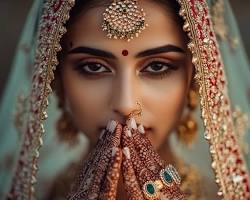
Every stitch, every bead, every glimmer of gold in an Indian wedding tells a story. The attire and jewelry worn by the bride and groom are far more than mere ornamentation; they are a living tapestry of tradition, symbolism, and blessings passed down through generations. To truly appreciate an Indian wedding is to understand the profound meaning woven into its exquisite garments and dazzling adornments.
The Indian bride's ensemble is a masterpiece of artistry and deep cultural significance, designed to make her look radiant and blessed.
The Sacred Colors: While the iconic bridal red (Laal) symbolizes love, prosperity, and fertility, many regional traditions incorporate other auspicious colors like emerald green (growth), golden yellow (happiness), or royal blue. Each hue carries a specific blessing for her new journey.
The Embellishments that Speak: Intricate embroidery like Zardozi, Gota Patti, or Phulkari aren't just decorative; they often depict motifs of nature (peacocks, elephants, lotus flowers) or mythological figures, invoking good fortune and divine protection.
The Draping of the Lehenga/Saree: The way the fabric is worn, particularly the Dupatta over the head, signifies humility, respect, and readiness to embark on a new role.
Jewelry: More Than Just Sparkle:
Maang Tikka: Adorned on the forehead, it represents wisdom and spiritual connection, placed at the sixth chakra.
Nath (Nose Ring): Often a delicate chain connecting to the hair, it's a symbol of marital status and feminine beauty.
Necklaces (Haars): Layers of necklaces, from chokers to long strands, represent prosperity and the well-being of the bride.
Bangles (Choora/Kada): Especially significant are the Choora (red and white bangles from Punjab) or specific bangles worn in other regions, symbolizing a newly married woman.
Payal (Anklets) & Bichiya (Toe Rings): Worn on the feet, these are classic symbols of marriage and often made of silver, reflecting purity.
The groom's attire, though often less elaborate than the bride's, is equally steeped in symbolism, reflecting his stature and readiness for responsibility.
The Sherwani/Kurta: This regal garment, often in rich fabrics like raw silk or brocade, signifies his dignity and importance. Its intricate embroidery often complements the bride's attire.
The Pagdi/Sehra (Turban/Headwear): More than just a hat, the turban represents honor, respect, and commitment. Its style often indicates regional heritage, and the Sehra (floral veil) protects the groom from evil spirits.
The Kalgi (Turban Pin): A decorative pin often adorned with feathers or jewels, it adds a touch of royal grandeur.
The Kirpan/Talwar (Sword): In some traditions, the groom carries a ceremonial sword, symbolizing his role as protector of his family and honor.
Mojaris (Embroidered Shoes): These traditional shoes complete his ensemble, often mirroring the intricate work on his outfit.
When a couple chooses their wedding attire and jewelry, they are not just picking outfits; they are embracing centuries of tradition, family stories, and auspicious blessings. Each element is a whispered wish for a joyful, prosperous, and loving future. They are literally dressed in heritage, ready to embark on their new life, adorned in the symbolic language of love.
What piece of traditional attire or jewelry holds special meaning for you, or which symbolic element are you most excited to incorporate into your wedding look? Share your thoughts below!

 PassportForCelebration