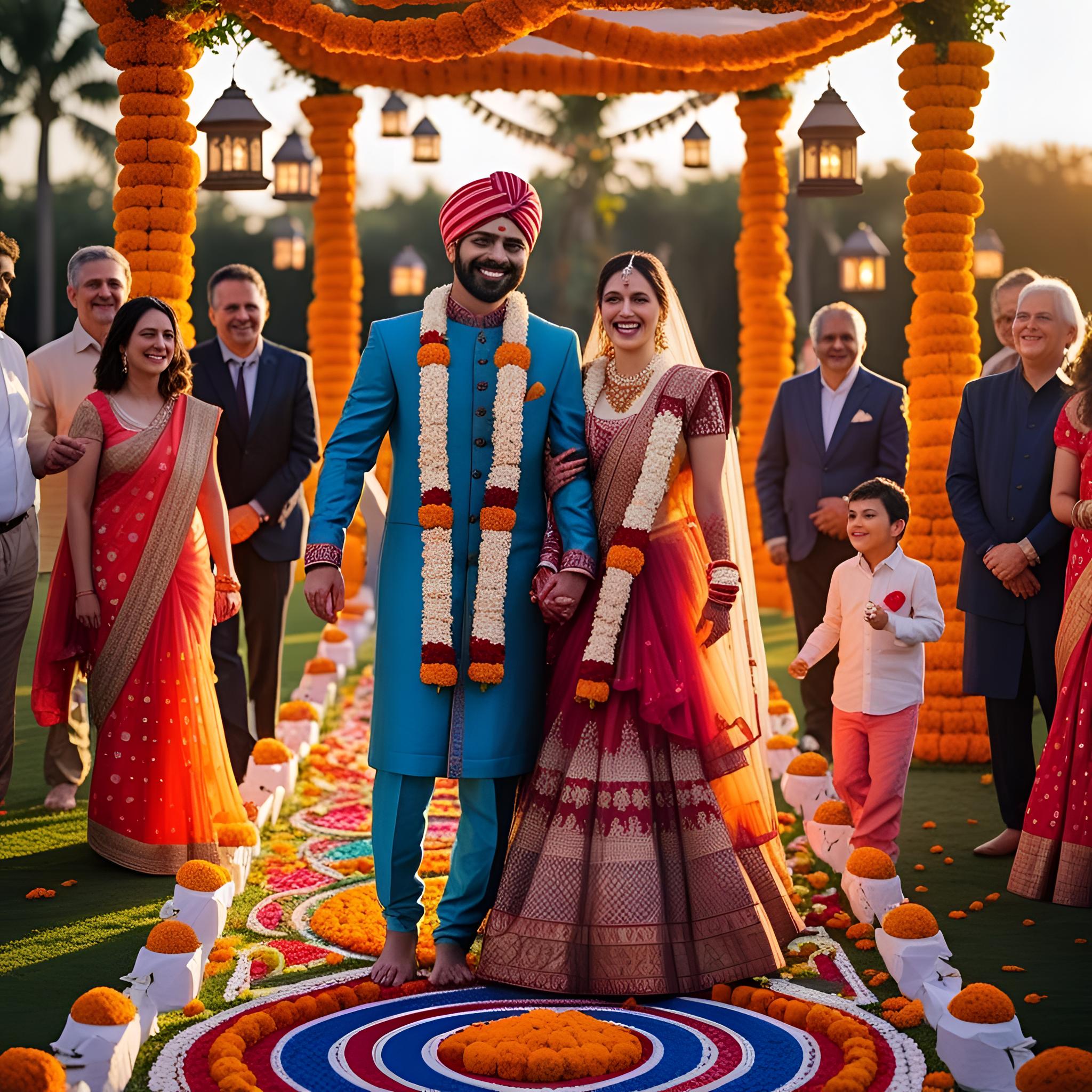
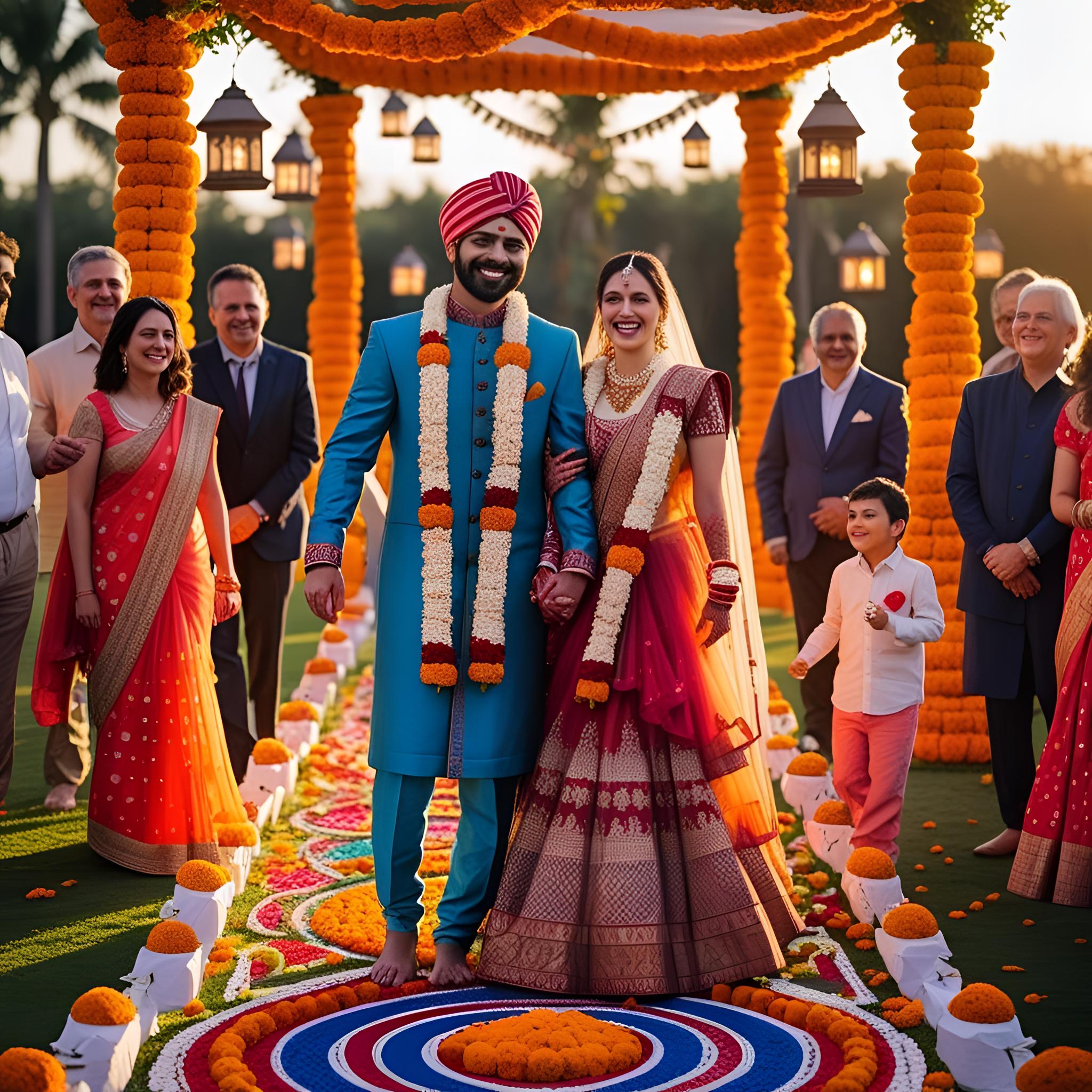
Attending an Indian wedding is more than just witnessing the union of two souls—it's an immersive celebration that delights every sense.
From the symphony of vibrant colors and rhythmic music to the intricate traditions and elaborate décor, every detail is thoughtfully curated. Yet, perhaps nothing leaves a more lasting impression than the rich and diverse culinary offerings.
A Regional Culinary Tour Across India
India’s culinary diversity is as vast and colorful as its cultural heritage. Each region brings its own flavor, literally and figuratively, to the wedding table—transforming the celebration into an unforgettable gastronomic experience.
North India: A Celebration of Rich Flavors
Weddings in North India are known for their grandeur—and the food is no exception. Guests are treated to an opulent spread of aromatic curries, creamy dals, butter-laden naans, and succulent kebabs. Signature dishes like paneer tikka, dal makhani, rogan josh, and biryani often take center stage. No North Indian feast is complete without a generous helping of desserts such as gulab jamun, jalebi, and kulfi.
South India: Tradition Served on a Banana Leaf
In South Indian weddings, meals are traditionally served on banana leaves—adding a touch of authenticity and eco-friendliness. Expect a delightful variety of dishes such as dosa, idli, vada, sambhar, rasam, and a range of coconut-based curries. A highlight is the sweet and creamy payasam, often served warm and made with jaggery, milk, or coconut milk. The experience is both spiritual and satisfying.
West India: A Symphony of Vegetarian Delicacies
Weddings in western states like Gujarat and Rajasthan showcase the richness of vegetarian cuisine. The famed Gujarati thali offers a balanced medley of flavors—sweet, salty, and spicy—served in small portions. Rajasthani menus often include hearty dishes like dal baati churma, gatte ki sabzi, kachoris, and a variety of pickles and chutneys that add zest to every bite.
East India: A Delicate Balance of Sweet and Savory
Eastern Indian weddings bring seafood lovers and sweet-toothed guests together in culinary harmony. Bengali wedding feasts are renowned for their fish preparations—think shorshe ilish (hilsa in mustard sauce) and chingri malai curry (prawns in coconut gravy). This is perfectly complemented by iconic sweets like rosogolla, sandesh, and mishti doi. Assamese weddings introduce guests to lesser-known yet exquisite dishes featuring bamboo shoots, pork, and sticky rice-based desserts.
Conclusion: A Culinary Celebration Like No Other
Food is more than a necessity at Indian weddings—it’s a reflection of cultural identity, regional pride, and family heritage. Whether you're savoring a spicy Rajasthani curry or indulging in a syrupy Bengali sweet, each bite tells a story. The culinary experience at an Indian wedding isn't just about the menu—it's about hospitality, celebration, and togetherness. It's a feast for the senses you’ll remember long after the final course is served.
The diverse regional menus create a tasting experience that feels like traveling through India—one plate at a time.
A Regional Culinary Showcase on a Single Plate
Each Indian wedding offers a unique taste of the region in which it's held, transforming the meal into a culinary voyage across the country. From the spicy richness of Punjabi dishes to the coconut-laced flavors of Kerala, guests experience a multi-course exploration of India’s diverse food landscape—without ever leaving their seats.
The Elegance of Vegetarian Cuisine
Vegetarianism is more than a dietary choice in Indian culture—it is a reflection of deep-rooted values and regional traditions. Particularly in states like Gujarat and Rajasthan, as well as among Jain and Vaishnav communities, vegetarian cuisine is the standard at wedding banquets.
However, simplicity never equates to compromise. Indian vegetarian dishes are vibrant, hearty, and bursting with complexity. Signature favorites like paneer tikka, dal makhani, aloo gobi, and palak paneer demonstrate how plant-based fare can be just as indulgent and satisfying as any meat-based menu. In fact, it's not uncommon for even non-vegetarian guests to be won over by the variety and richness of these preparations.
A Toast to Tradition—Without Alcohol
While some modern weddings include alcohol, many traditional Indian celebrations do not. Instead, guests are welcomed with a colorful range of non-alcoholic beverages—think masala chai, fresh sugarcane juice, flavored lassis, and artisanal mocktails. These drinks not only complement the spices on the plate but also reflect the hosts’ emphasis on hospitality over indulgence.
Where alcohol is served, it's often done tastefully in controlled settings, ensuring the overall atmosphere remains celebratory, respectful, and inclusive for guests of all ages.
The Theater of Food: Live Counters and Interactive Stations
An exciting highlight of many Indian wedding receptions is the presence of live food counters—where chefs prepare delicacies on demand. From sizzling hot dosas to flavorful chaats, smoky tandoori kebabs, and crispy pakoras, these interactive stations engage all the senses.
Dessert stations are equally showstopping. Guests can indulge in a range of sweets—from traditional treats like jalebi, rasmalai, and motichoor laddoo to international offerings such as fondue fountains, gourmet pastries, and fusion desserts that blend Indian flavors with Western presentation.
Catering to All: Thoughtful Menus for Every Palate
One of the most admirable aspects of Indian wedding hospitality is its inclusivity. Whether you're vegan, gluten-intolerant, or have specific dietary restrictions, hosts often go the extra mile to ensure there are ample options for every guest. The menus are thoughtfully curated to balance authenticity with contemporary preferences, so that no one feels left out at the table.
More Than a Meal—A Cultural Expression
At its core, food at an Indian wedding is not just nourishment; it’s storytelling. Every dish reflects a tradition, every flavor connects generations, and every shared meal reinforces the sense of community.
To attend an Indian wedding is to be invited into a world of celebration, generosity, and cultural pride—best expressed through its cuisine.
Attending an Indian wedding is truly a culinary and cultural celebration. From the first bite to the last sweet, every moment is crafted to delight. Come with an appetite—and leave with unforgettable memories.
Have a favorite Indian wedding feast memory? We'd love to hear from you! Share it with us on social media or send us an email to contact@Passportforcelebration.com

 PassportForCelebration